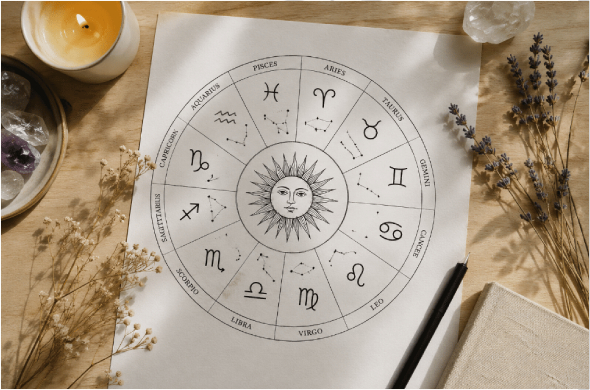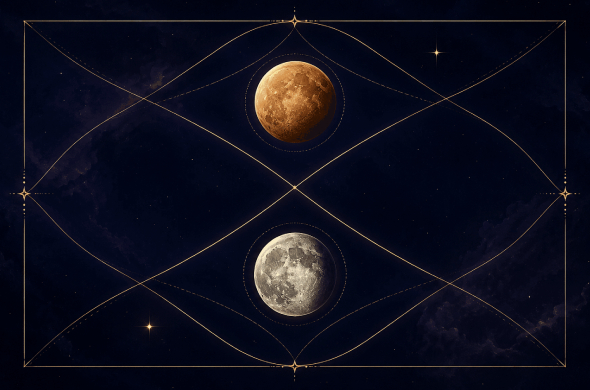
In Vedic Astrology (Jyotish), Rahu (the North Node) and Ketu (the South Node) are not physical planets. They are mathematical points where eclipses occur, forming the karmic axis of your birth chart. Together, they reveal the lessons you are here to learn, the strengths you bring from the past, and the direction your soul is encouraged to grow in during this lifetime.
Rahu: Growth, Ambition & New Experiences
Rahu represents your desires, ambitions, and the areas of life that encourage growth through new experiences.
Where Rahu is placed:
This is where you are naturally drawn to explore, challenge yourself, and move beyond your comfort zone. Although this path may feel unfamiliar, it often holds your greatest opportunities for growth.
Ketu: Wisdom, Past Experience & Detachment
Ketu represents the knowledge, talents, and experiences you have already developed. It reflects areas that often feel natural and effortless, while also encouraging spiritual detachment and inner understanding.
Where Ketu is placed:
This is where you may rely on familiar patterns or innate abilities. Over time, Ketu teaches the importance of letting go, trusting the process, and seeking deeper meaning beyond worldly achievement.
The Balance Between Rahu and Ketu
Neither Rahu nor Ketu is considered inherently good or bad. They work together, with Rahu encouraging growth toward the future and Ketu reminding you of the wisdom gained from the past.
Understanding and balancing these two forces is one of the most important aspects of interpreting a Vedic birth chart, as they reveal the journey between what is familiar and what your soul is meant to become.